Clark Brothers Roofing Blog
How to Spot Wind Damage on Your Roof After a Marietta Storm
Wind rarely takes a roof all at once. More often it starts one shingle at a time: a gust gets under a corner, breaks the sealant bond, folds the shingle back, and leaves a crease that will leak and tear further in the next storm. Finding that early damage, while it is still a repair, is far cheaper than finding the ceiling stain months later.
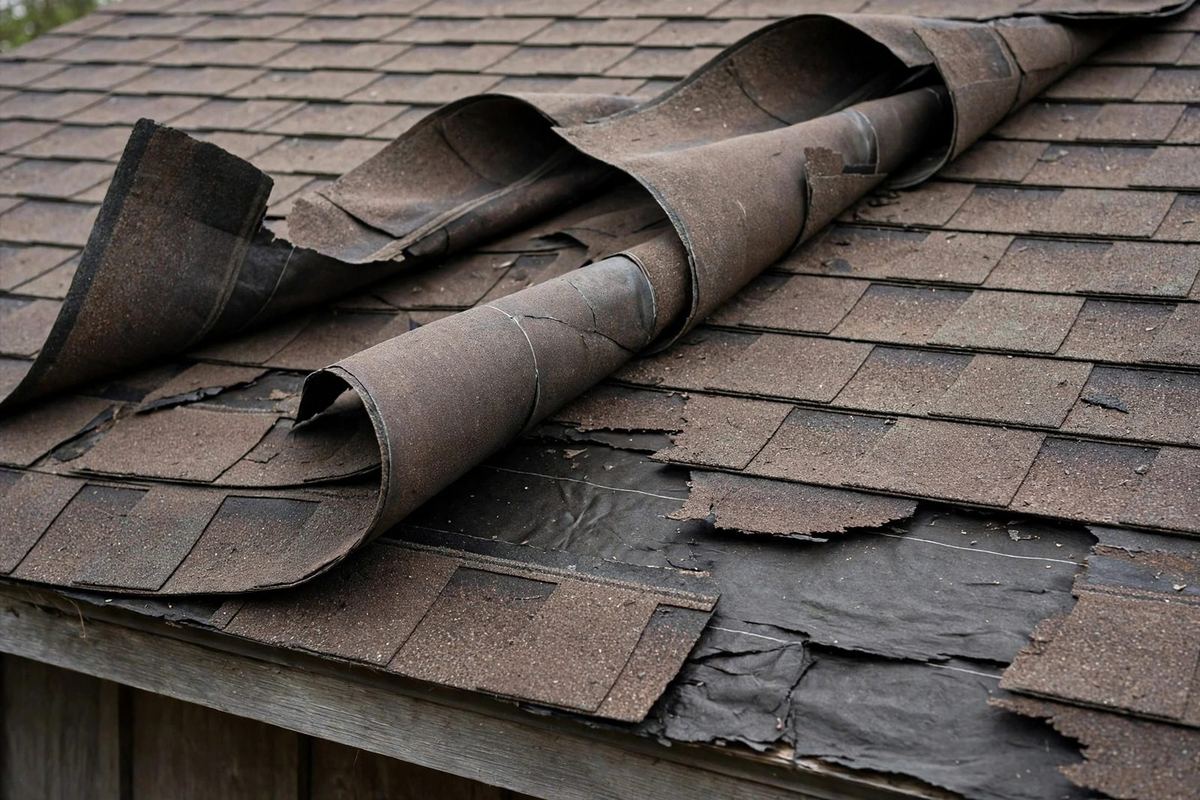
You can do a useful first check from the ground with binoculars and a phone camera, no ladder required. This guide covers the three signatures to look for, lifted shingles, creased shingles, and missing shingles, plus what the sealant strip has to do with all of them. If you find damage, Clark Brothers Roofing can document it up close; call +1 470-613-9333 any time, day or night.
Lifted Shingles and the Sealant Strip
Key points
Each asphalt shingle bonds to the course below with a factory sealant strip that softens in heat and seals the tab down. Wind damage begins when gusts break that bond, especially on older roofs, cold-weather installs that never fully sealed, and edges and rakes where wind pressure peaks. A lifted shingle may settle back flat and look fine from the street while its seal is gone, which is why a hands-on check matters. Unsealed tabs chatter in the next wind, work nails loose, and invite wind-driven rain underneath.
When a lifted tab folds back in a gust and slaps down again, it leaves a diagonal or horizontal crease across the shingle where the mat cracked. That crease is the clearest fingerprint of wind damage and the detail adjusters look for, because a creased shingle has lost its integrity even if it is lying flat today. Creases typically appear in patterns on the wind-facing slopes and near roof edges. Unlike hail, wind creasing follows exposure and direction, so compare slopes: the leeward side is often untouched.
Creased Shingles: The Fold Line That Gives It Away
Missing shingles are the obvious case: exposed underlayment or decking weathers fast in Georgia sun and rain, so a bare patch is a prompt repair, not a someday item. Walk the yard after a storm as well. Shingle tabs in the lawn, granule piles at downspouts, fallen ridge cap, and bent or detached gutter sections all point to where the roof took the hit. Check flashing around chimneys and vents from the ground too, since displaced flashing leaks long before it is visible indoors.
Stay on the ground. Walk the perimeter in daylight, use binoculars or a zoom lens, check the attic for daylight, damp insulation, or fresh stains if you have safe attic access, and photograph everything with dates. Do not climb onto a wet or damaged roof, and do not try to re-seal shingles with hardware-store tar, which traps moisture and complicates proper repair. If you see creasing, multiple lifted tabs, or any missing shingles, schedule a professional inspection and document before contacting your insurer.
- Look for lifted shingles and a broken sealant strip after any big storm
- A creased fold line is the signature of wind damage that a photo from the ground can miss
- Ground checks with binoculars are safe and useful — no ladder or roof walking required
- Edges, rakes, ridges, and corners fail first
- A flat-looking shingle can still have a broken seal
The facts in this guide are drawn from the official and primary sources below, checked October 2026.
Missing Shingles, Exposed Underlayment, and Debris
Still wondering? Call +1 470-613-9333 — we are open 24 hours.
Call +1 470-613-9333 any time — we are open 24 hours. You can also visit us at 1122 Powers Ferry Rd, Marietta, GA 30067, or find us on Google Maps.
- Unsealed tabs let wind-driven rain under the course
- Age and poor ventilation weaken the seal over time
- Look for a distinct crease or fracture line across the tab
- Damage clusters on wind-facing slopes and edges
- A creased shingle is damaged even when it lies flat
Roofing for Marietta homes and businesses — honest pricing, photographed inspections, and a crew based right here on Powers Ferry Road. Open 24 hours.
Safe Ground Checks and When to Call
Services
Service areas
- Photograph patterns slope by slope for documentation
- Bare underlayment or decking needs prompt repair
- Tabs and ridge pieces in the yard mark the damaged slope
- Check gutters, flashing, and vent caps for displacement
Contact
Sources & Official Resources
Clark Brothers Roofing
© 2026 Clark Brothers Roofing. All rights reserved.
Privacy · Terms · Sitemap · RSS
Helpful next steps
Contact Clark Brothers Roofing
Open 24 hours — 1122 Powers Ferry Rd, Marietta, GA 30067
That page has moved
Our site was rebuilt in October 2026 and some pages were merged. Try the services hub, the service areas hub, or the blog — or call +1 470-613-9333 and we will point you the right way.
About Clark Brothers Roofing
A Marietta Roofer, Up Front About Everything
How We Work, Step by Step
Clark Brothers Roofing is based at 1122 Powers Ferry Rd in Marietta, GA 30067, and this page is about how we work rather than a polished origin story. We inspect roofs carefully, photograph problems instead of describing them from the driveway, explain repair-versus-replace honestly, and put pricing in writing. If a roof has good years left, we will say so — even when a replacement would pay us more.
Honest About Licensing in Georgia
We are also up front about the trade itself. Georgia does not license roofers, prices in this market vary wildly, and storm season brings out-of-town crews who disappear. Our answer is simple: local address, published phone number +1 470-613-9333, open 24 hours, and business licence and insurance certificates available on request for every customer who asks. That approach shapes everything on this page: how we inspect, how we price, and how we handle the paperwork Georgia homeowners actually need.
Honest About Pricing, Too
Every job starts with a real inspection: shingles, flashing, valleys, vents, decking where accessible, and the attic side when a leak is involved. You get photos and a plain-language explanation of what is failing, what is cosmetic, and what can wait. Then you get options — repair, maintenance or replacement — each priced separately, so you can choose the scope instead of being sold the largest one by default.