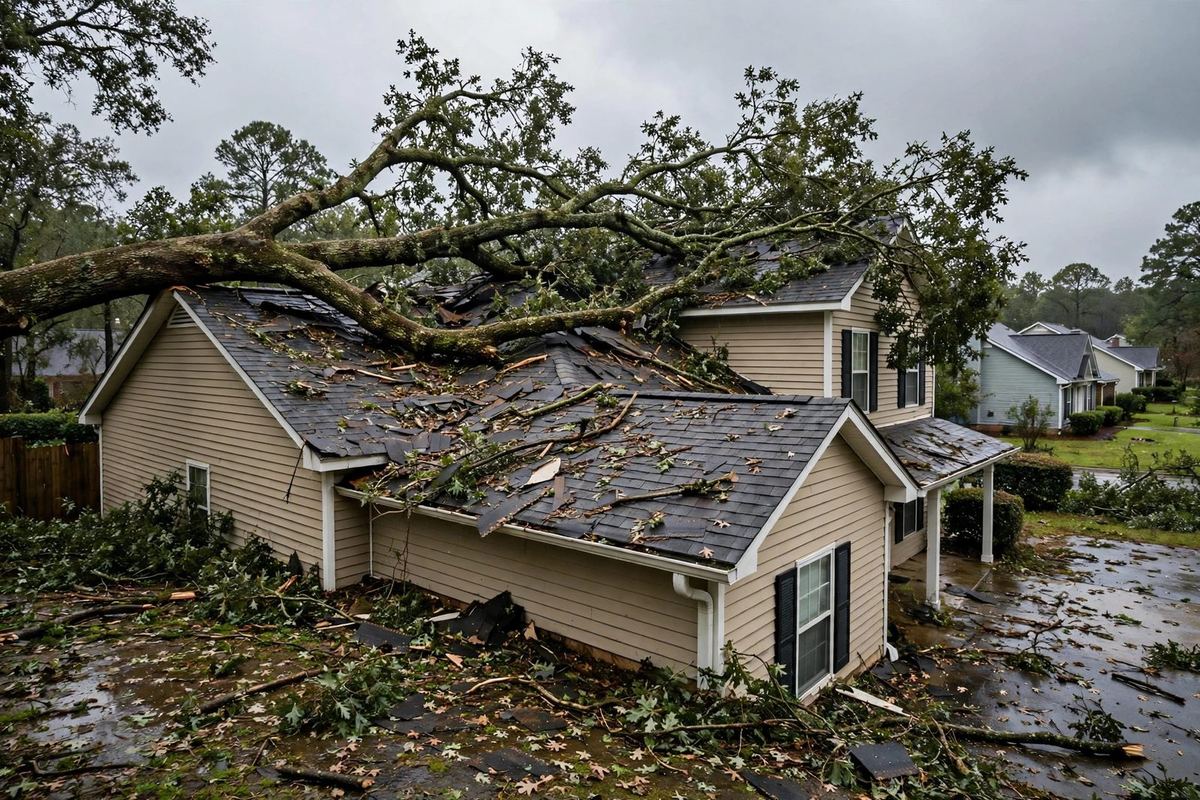
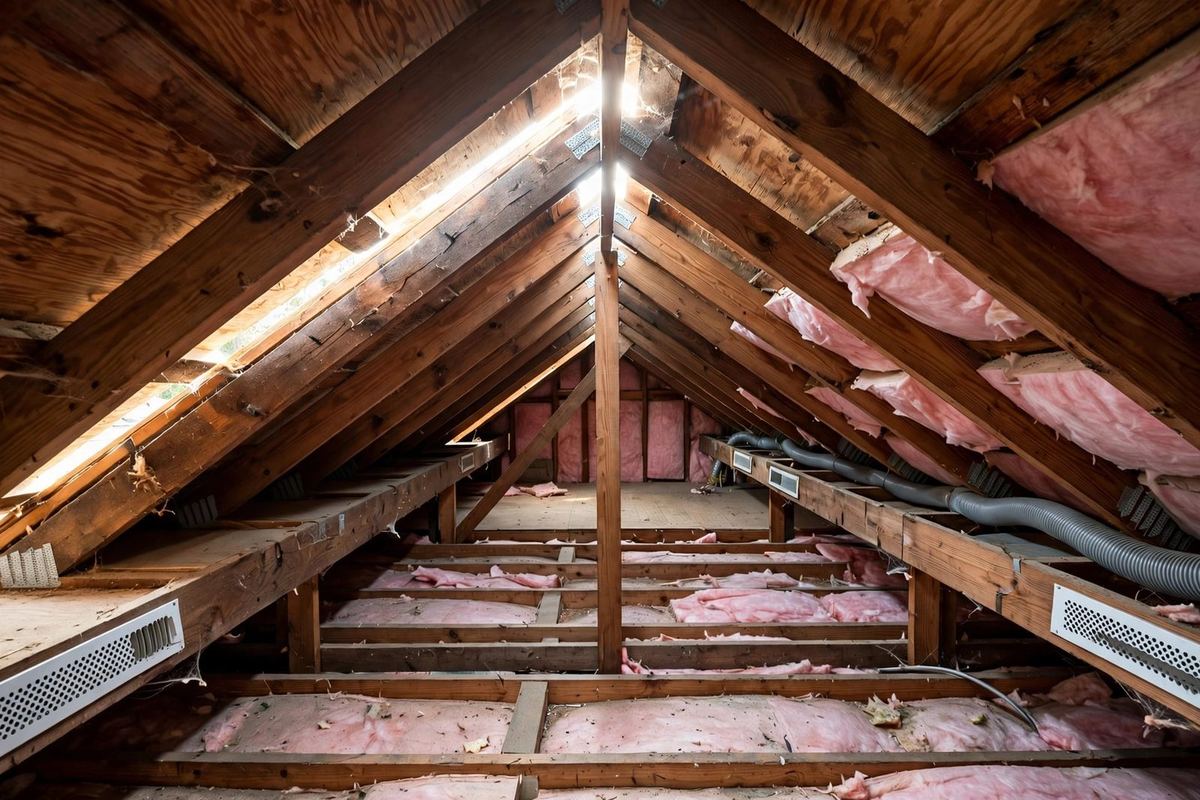
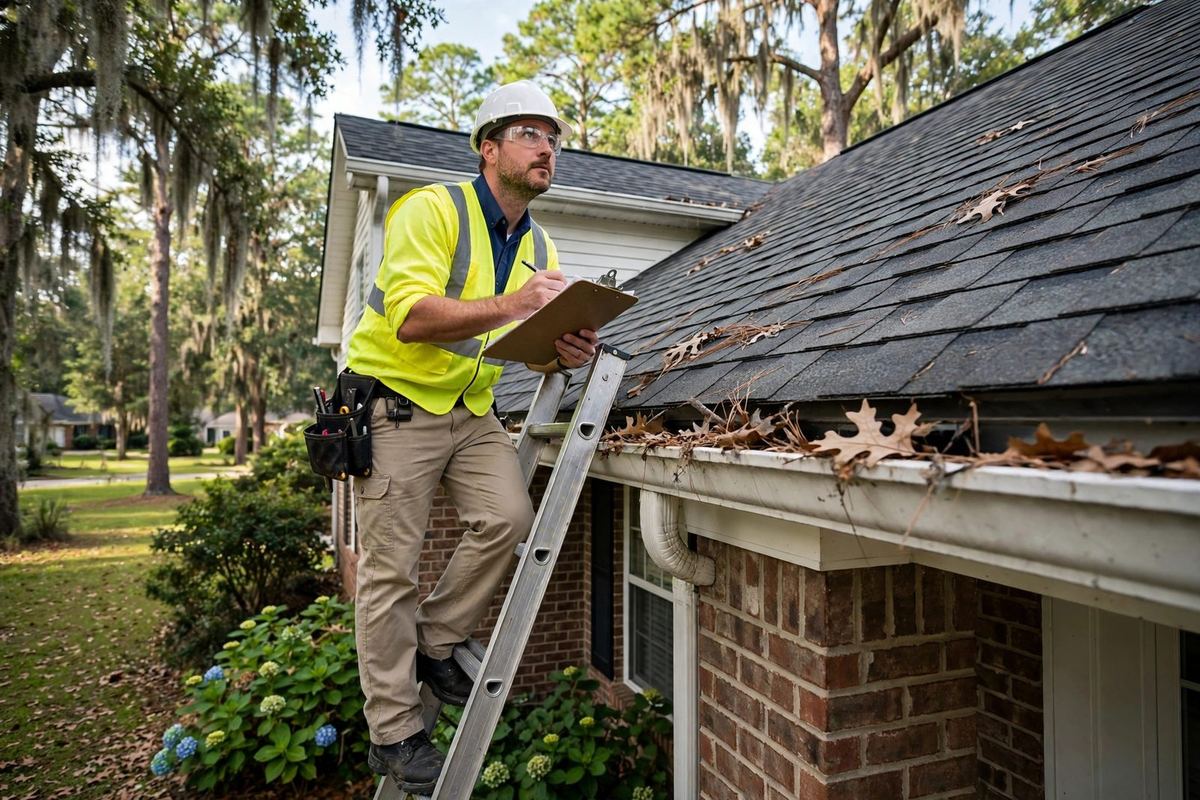
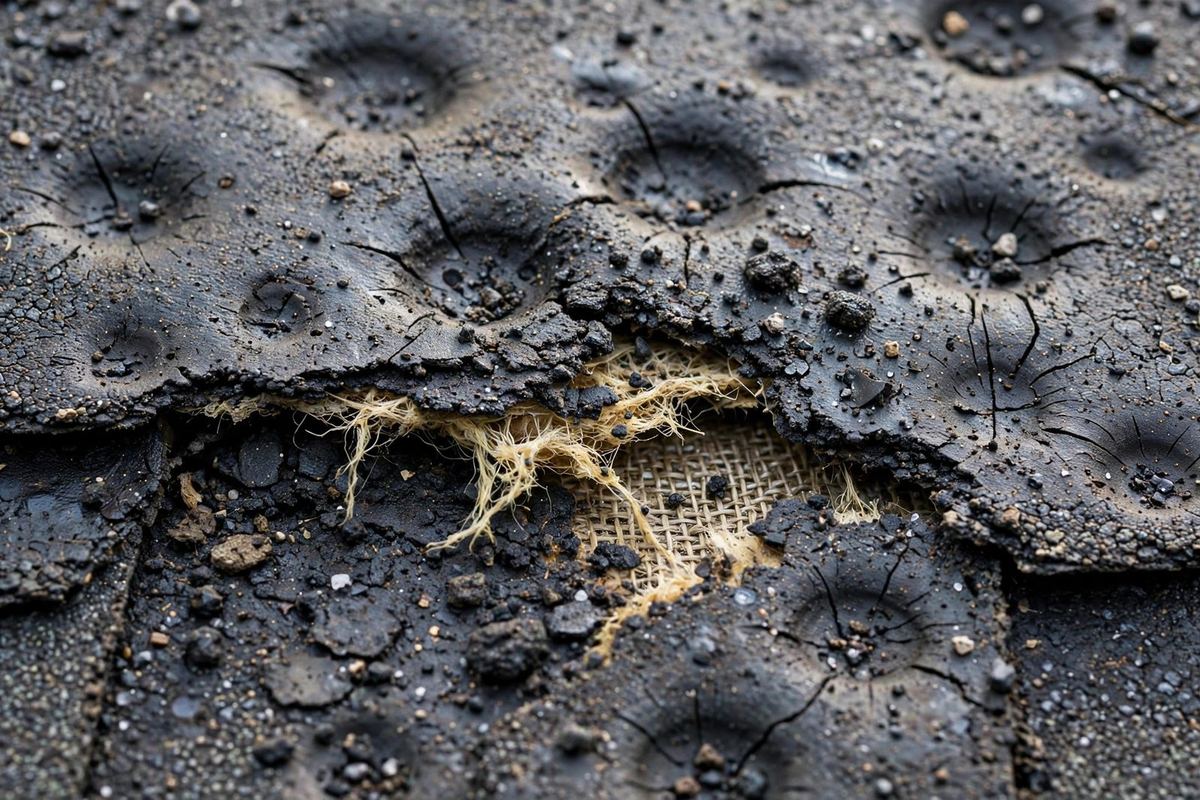
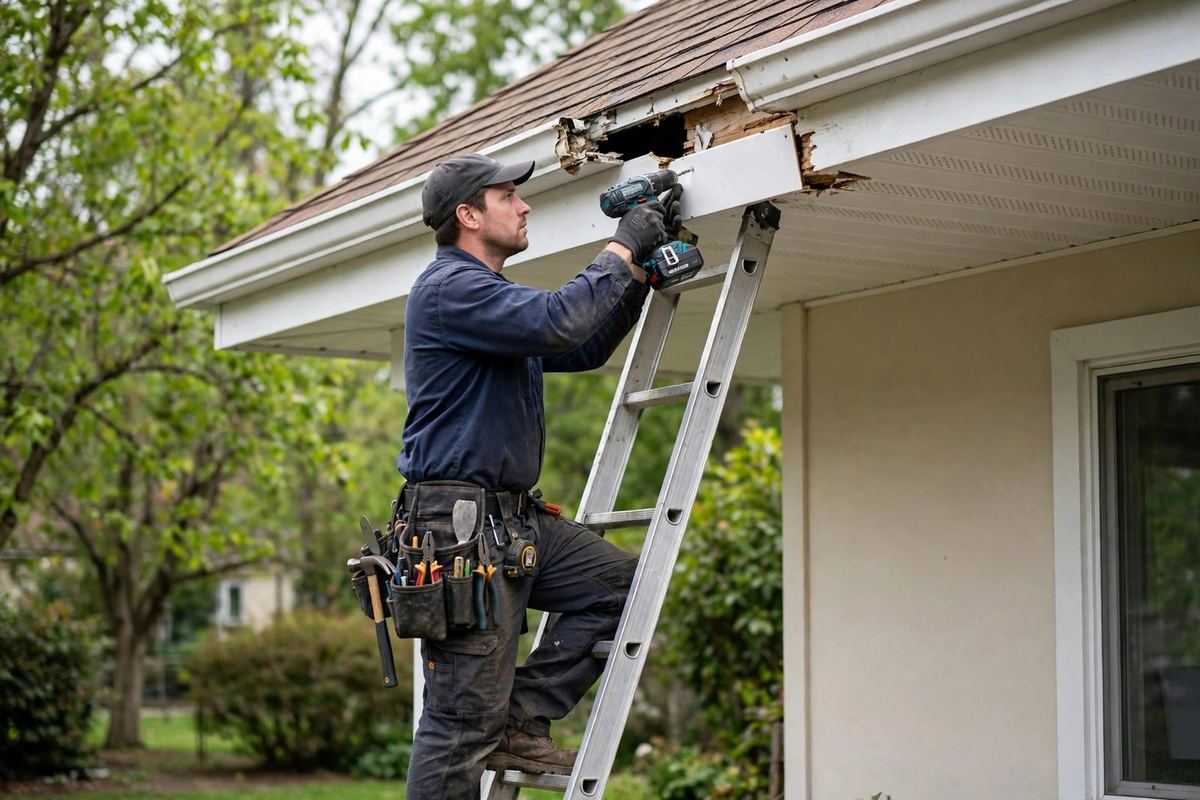
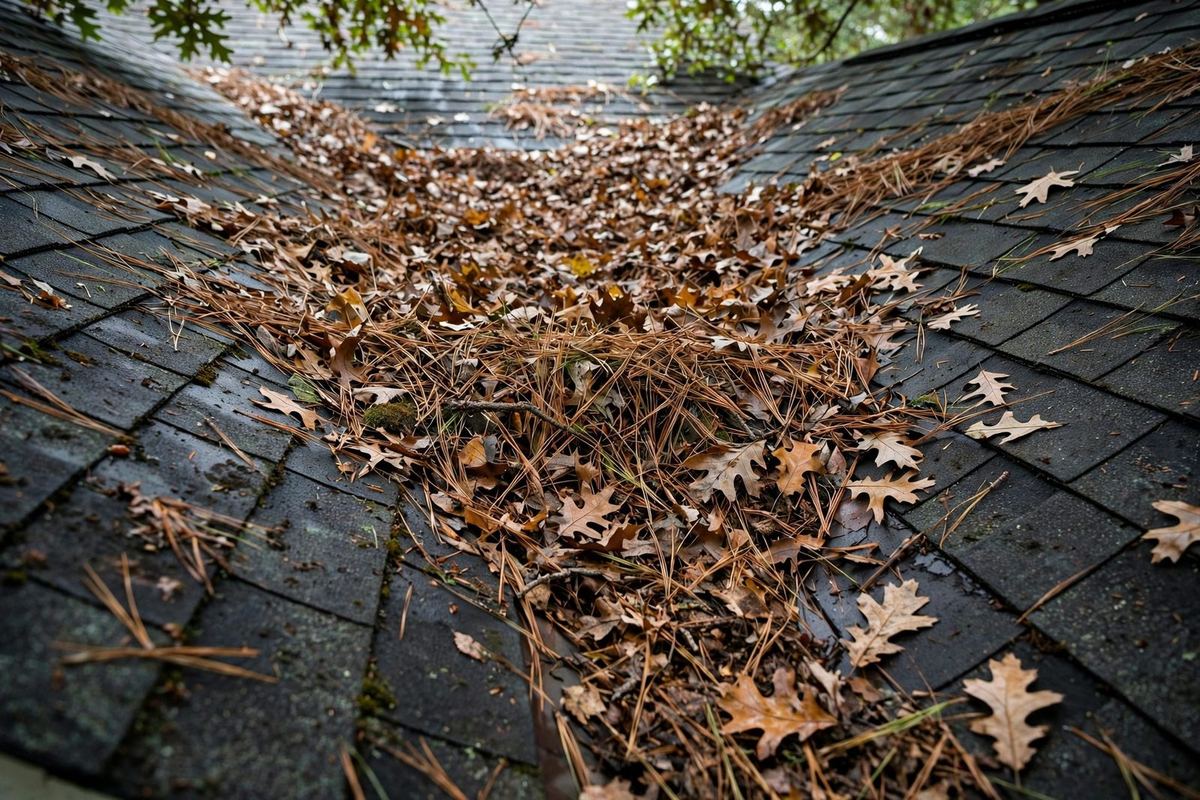
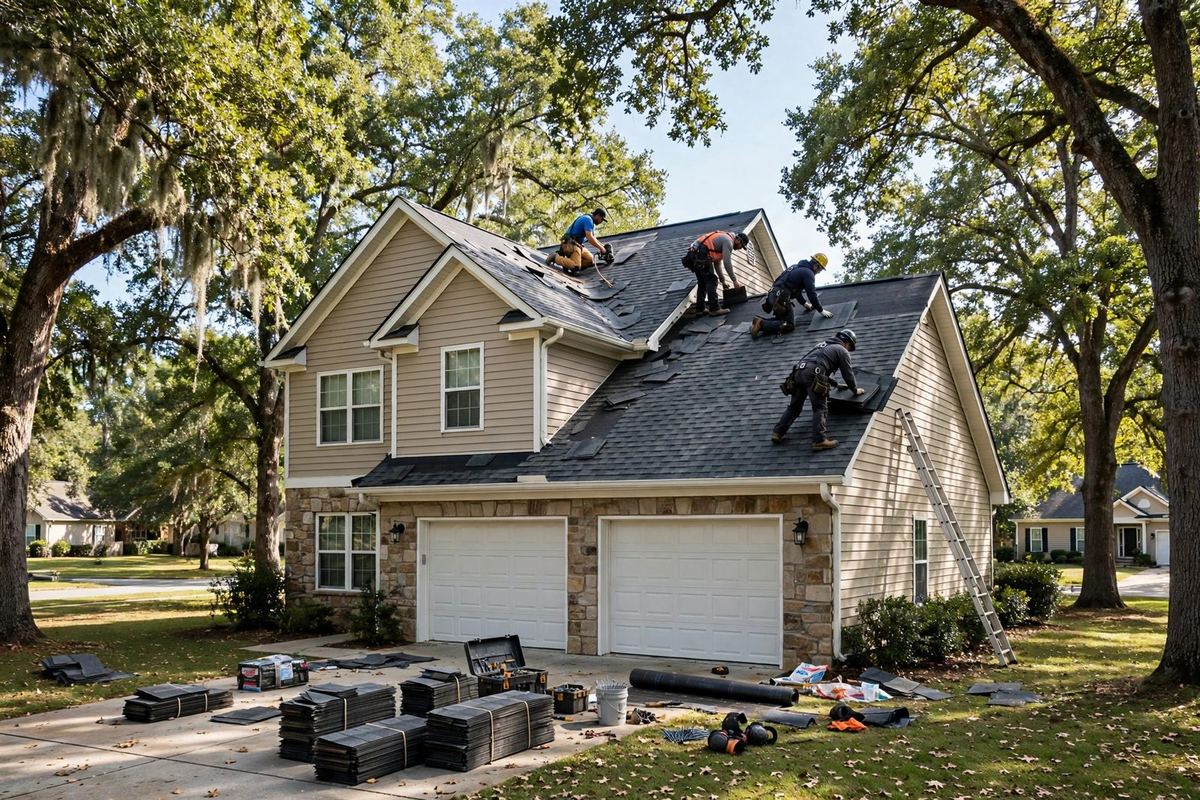
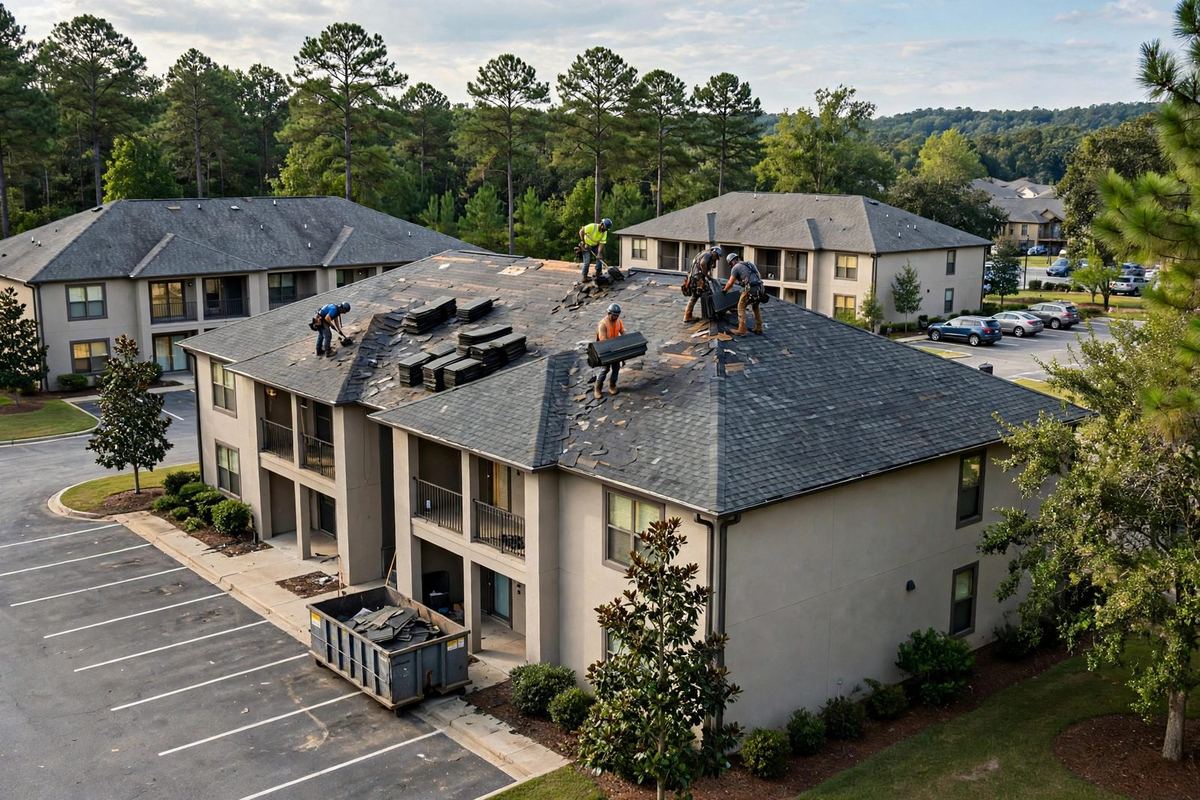
Insurers evaluate storm claims on evidence: dated photos, measurements, test squares showing hit density, and a clear separation between storm damage and wear. We produce that documentation as a standard part of storm work and meet adjusters on the roof when a claim is filed. What we will not do is negotiate your claim — Georgia allows only public adjusters and attorneys to do that — or promise outcomes no roofer can control. Honest files get taken seriously; inflated ones get scrutinized.
Know three things before signing anything after a storm. Deductible waiving is illegal in Georgia — any roofer offering it is breaking the law. Under HB 423, if your insurer denies coverage for the damage, you have a five-business-day right to cancel a contract signed after the loss. And SB 201, effective 1 July 2025, adds post-disaster consumer protections including limits on assignment of benefits. Wind and hail deductibles commonly run 1–2% of Coverage A, so do the math before filing small claims.
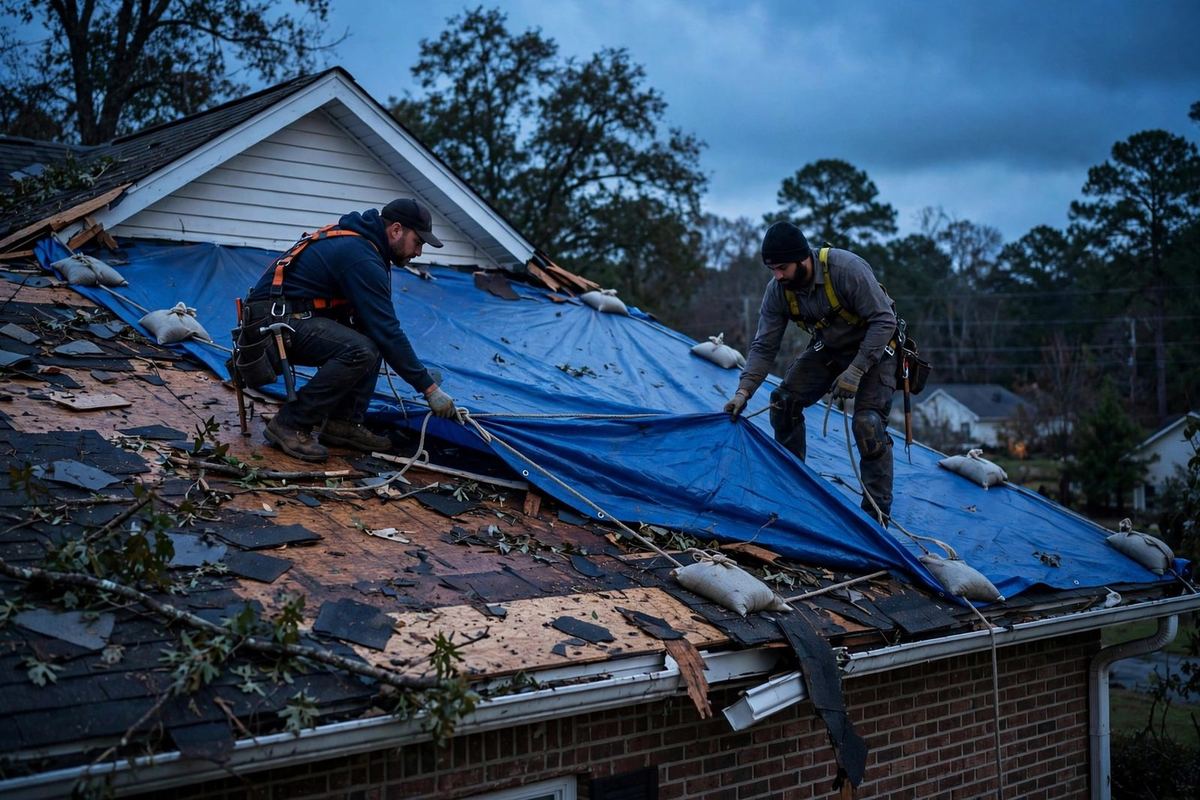
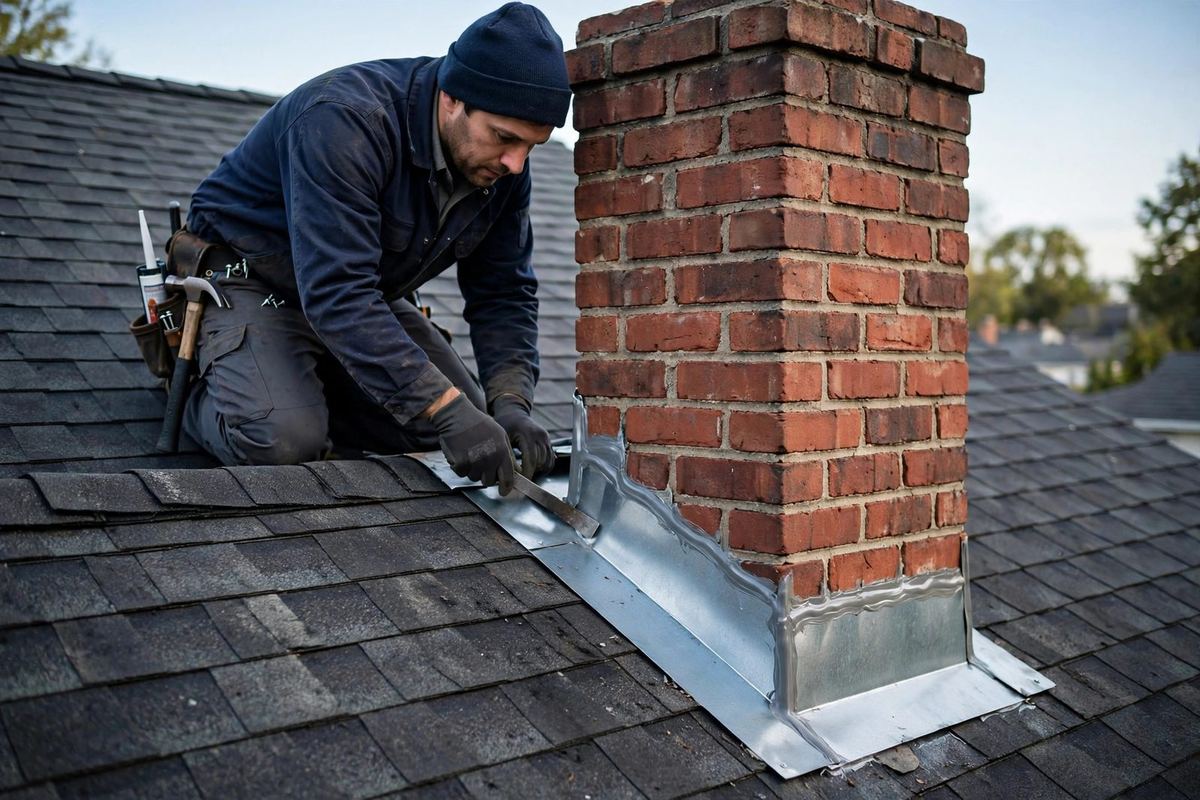
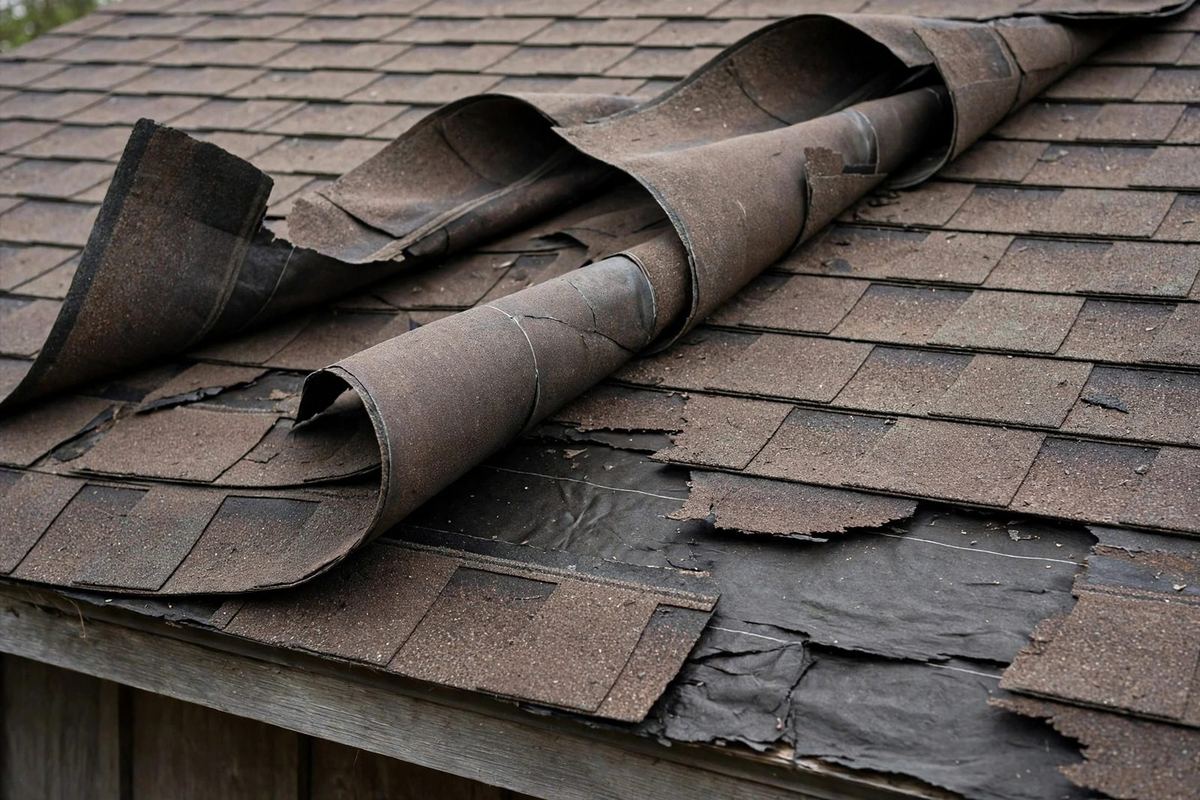
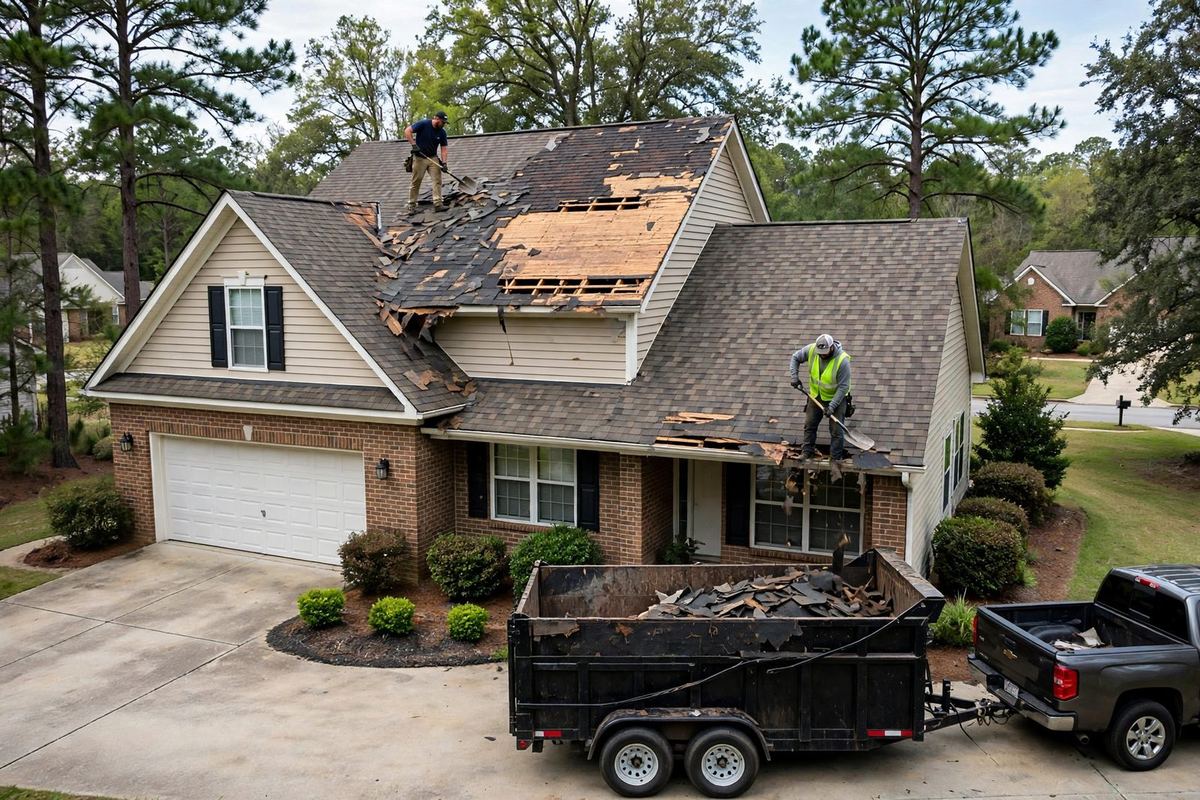
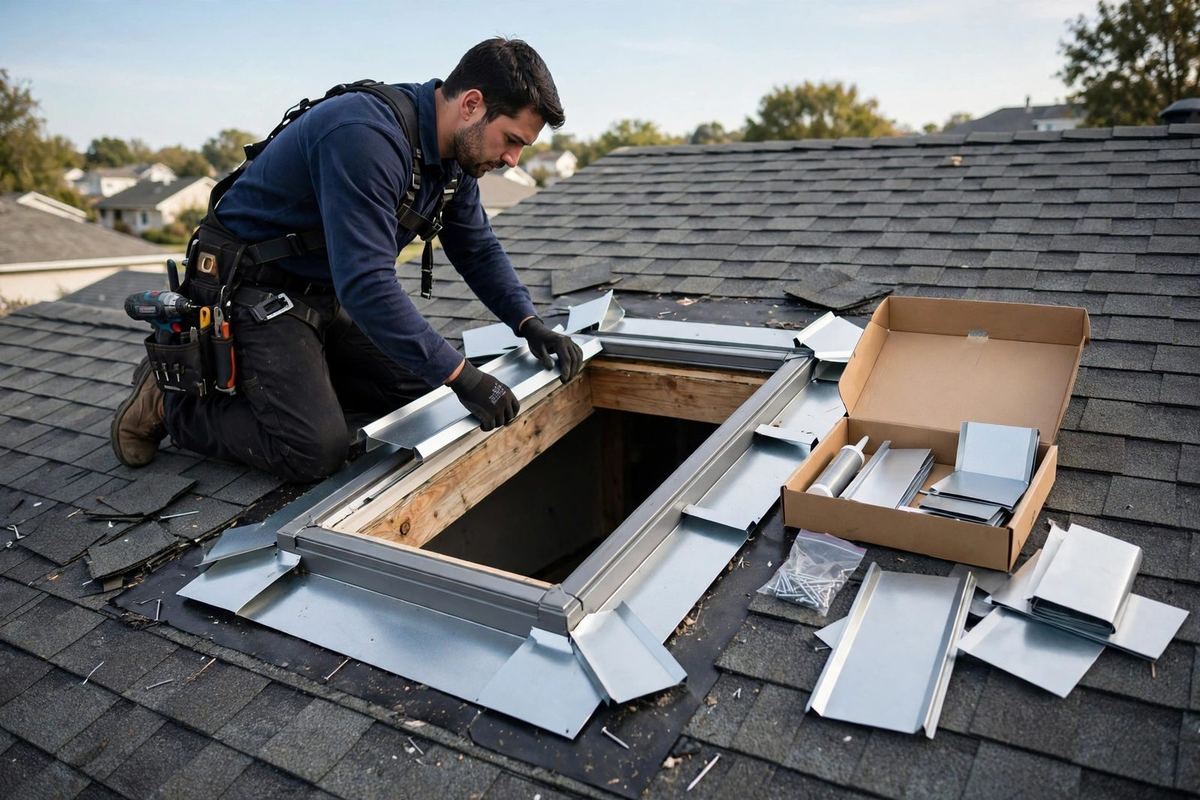
Our sequence after any Marietta storm: make the roof weather-tight with tarping or temporary seals if it is breached, complete the documented inspection, then quote permanent repairs in writing. In October 2026 most repairs run $300–$1,500, but widespread creasing or hail failure across slopes can make replacement the rational scope, and we will show you the test-square evidence behind that conclusion. Permit rules vary by parcel between the City of Marietta and unincorporated Cobb — confirmed before larger work is quoted.