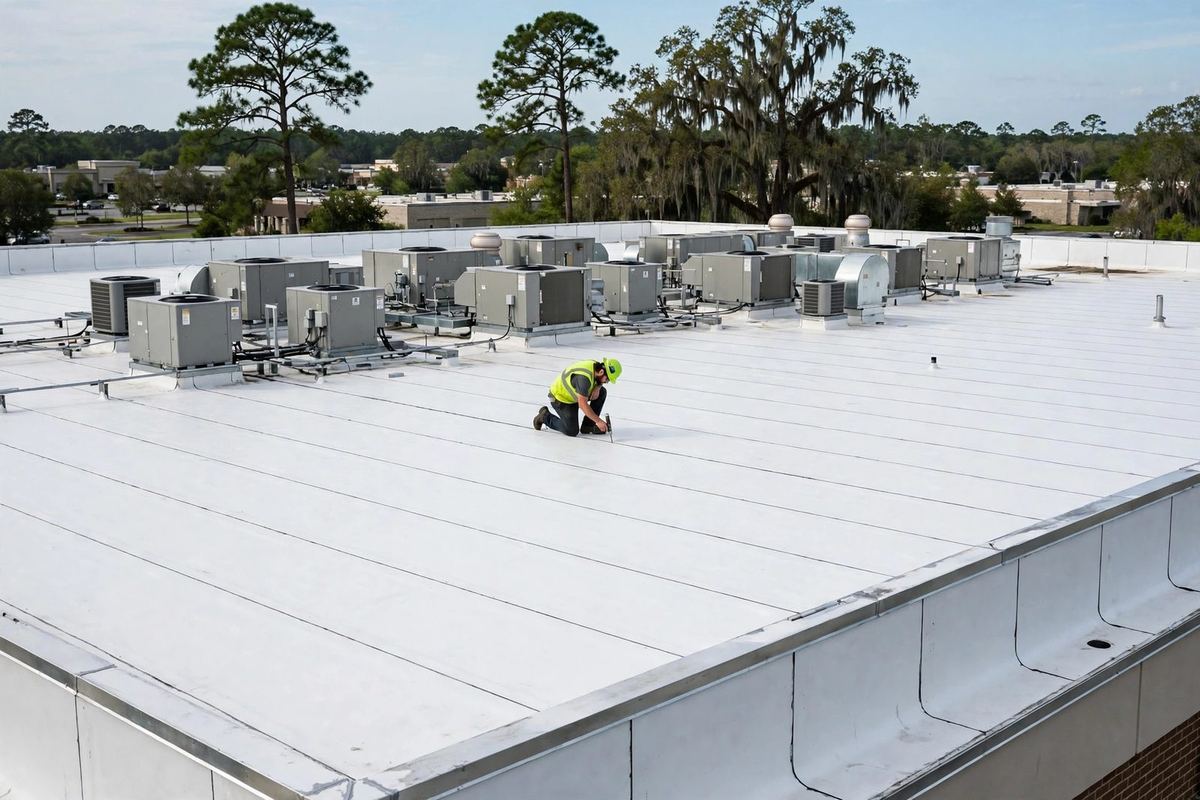
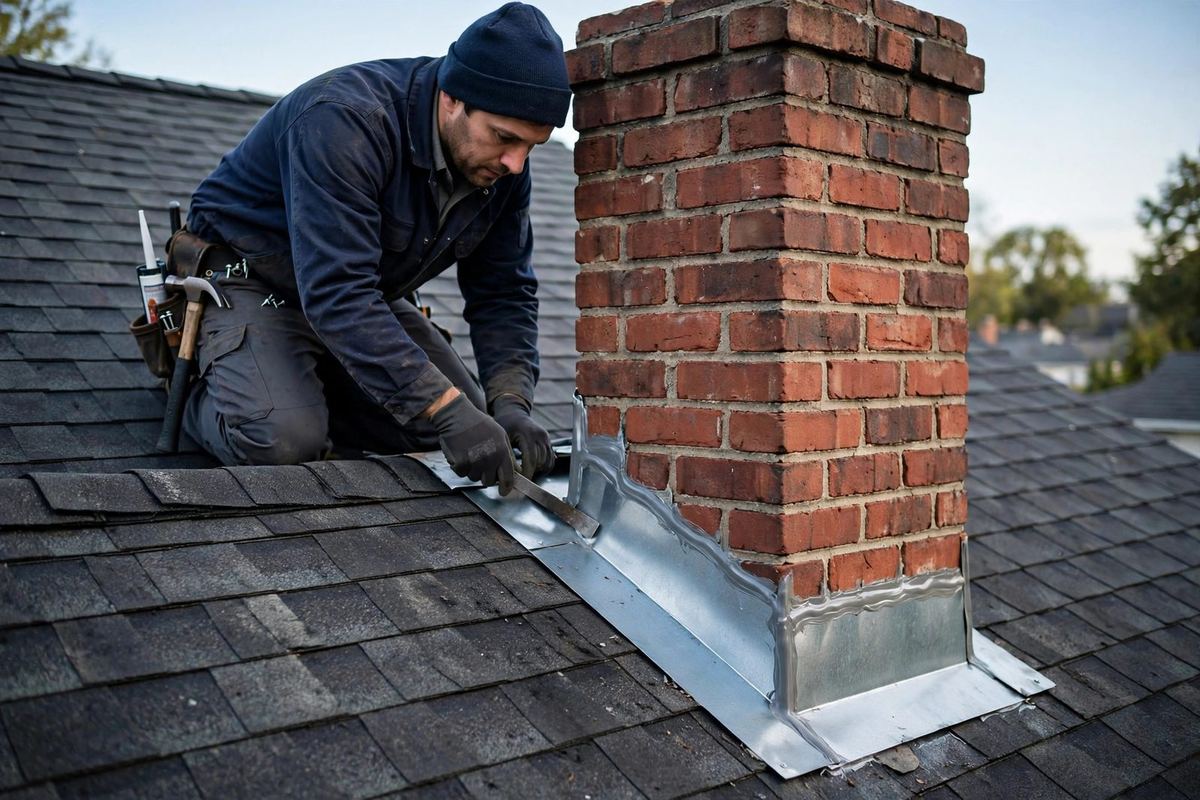
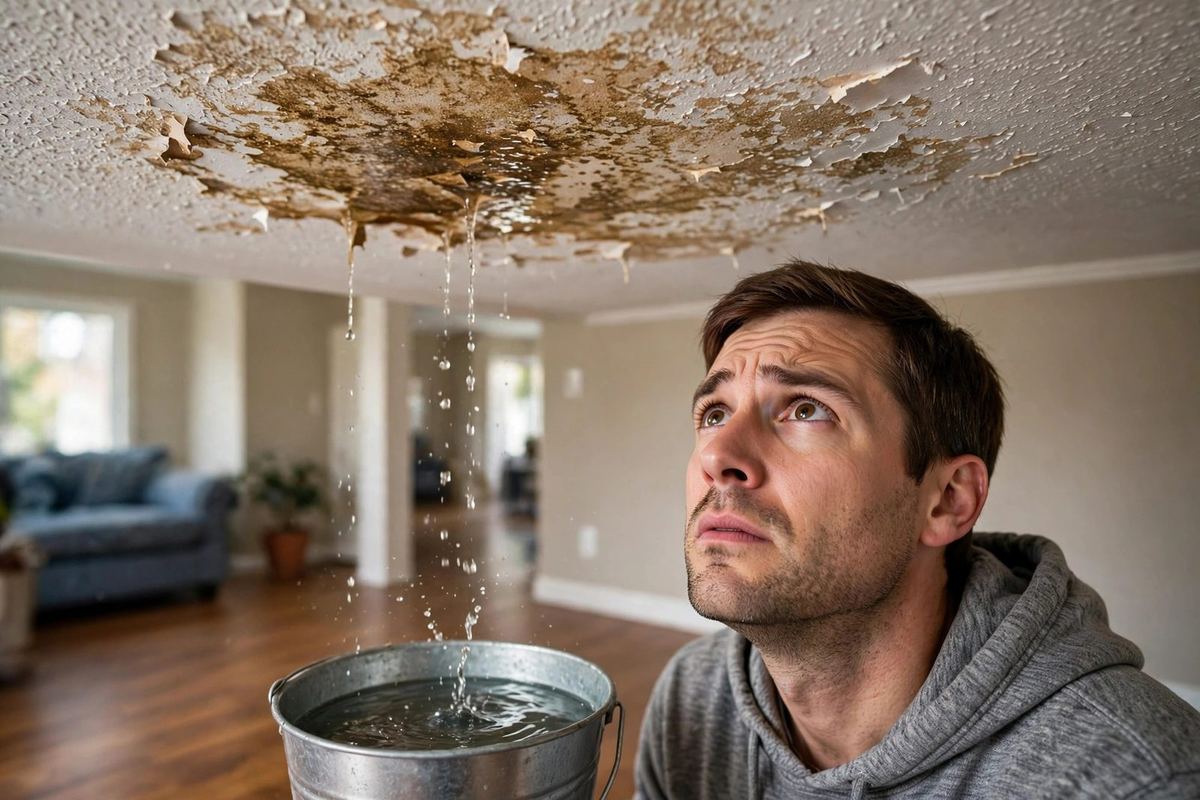
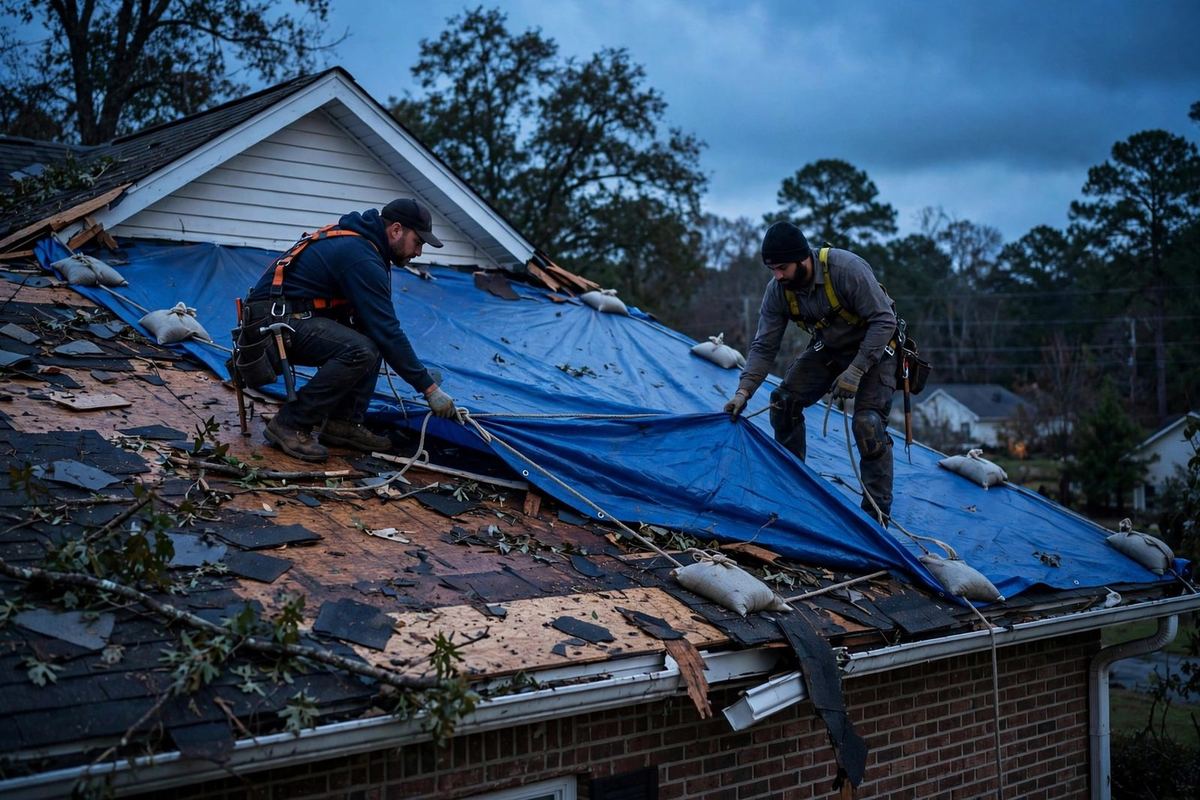
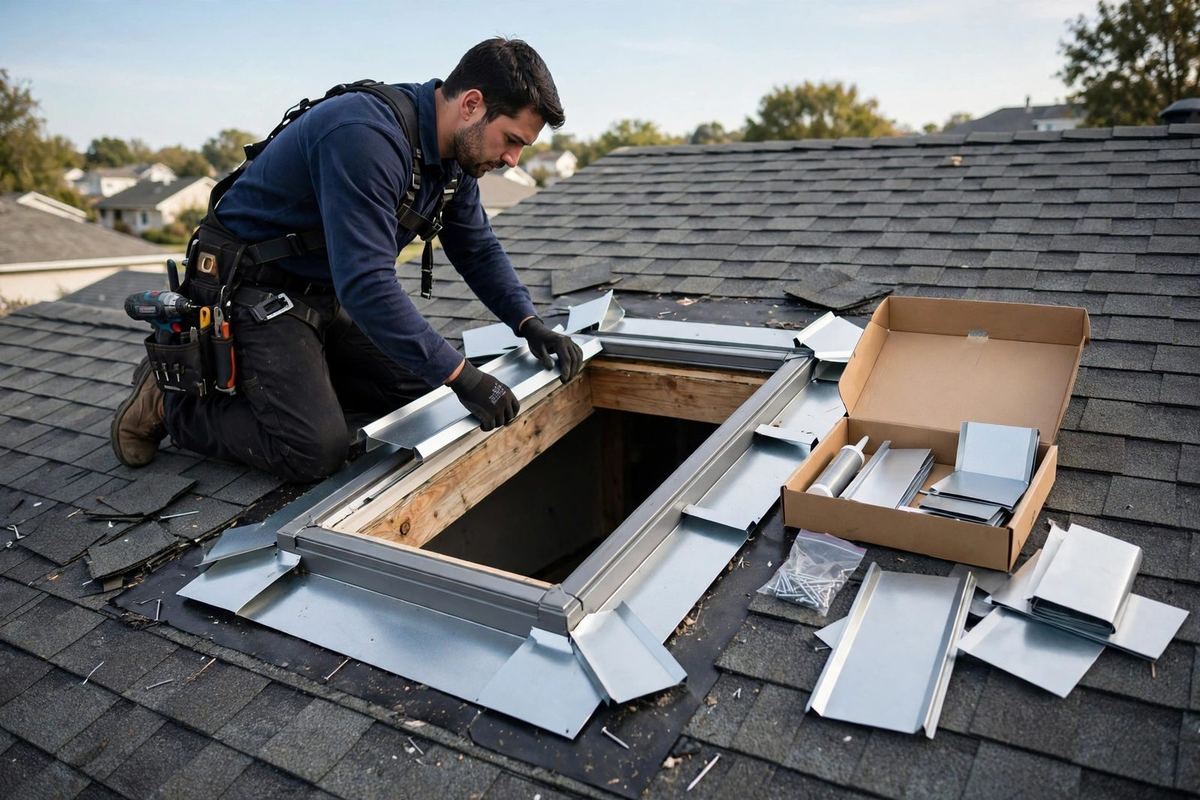
Commercial leaks get traced the same disciplined way as residential ones: find the entry point, which on a low-slope roof may be a failed seam, a split at a penetration, or a puncture far from the interior drip. Ponding water areas — any water standing 48 hours after rain — get mapped because they accelerate membrane aging and mark low spots. We will perform a genuine temporary seal when a permanent fix needs dry conditions, and we will label it temporary rather than billing it as a repair.
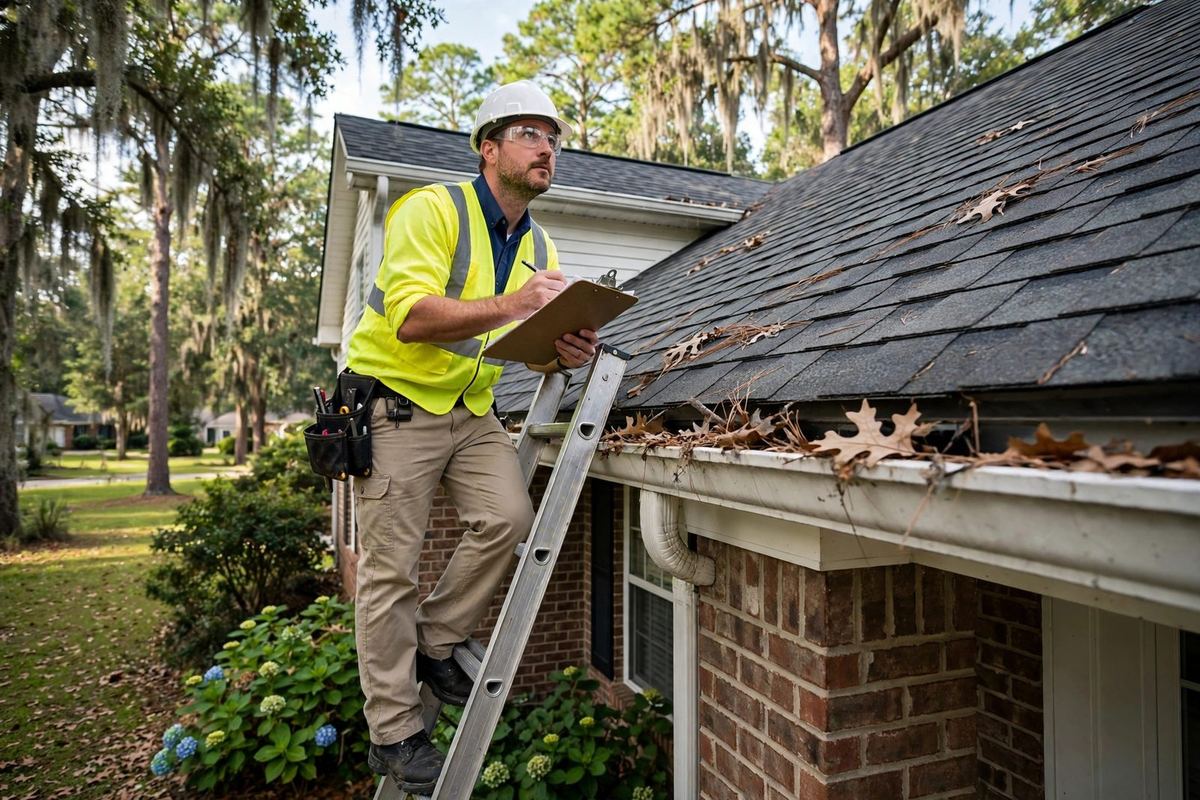
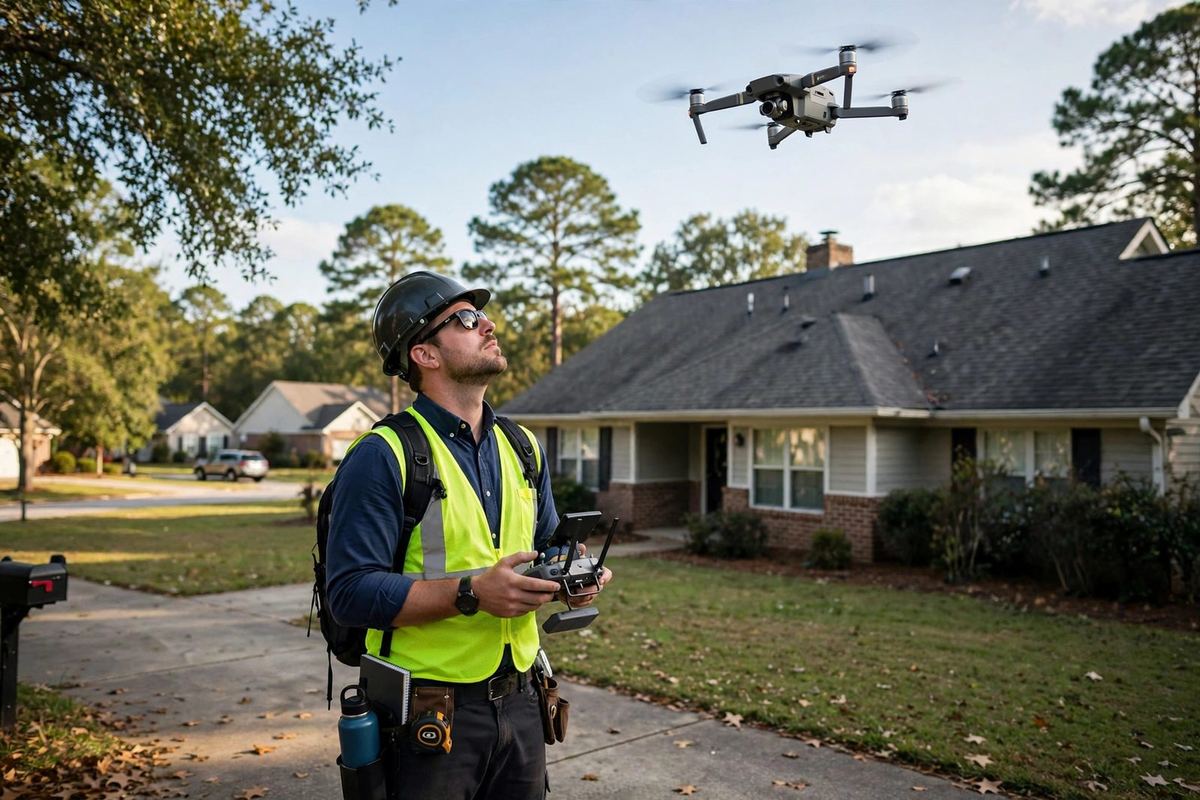
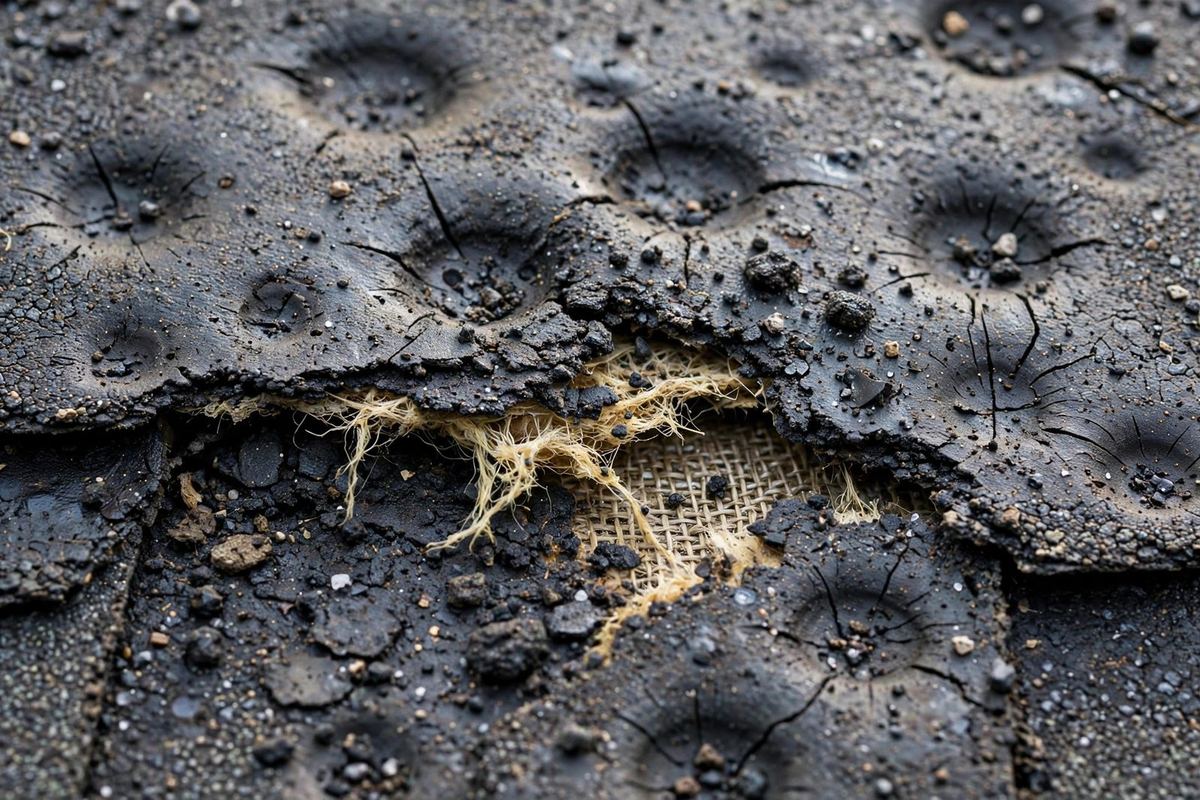
Commercial roofs reward planned spending. Our assessments document membrane condition, seam integrity, flashing, drainage and any moisture concerns, then translate findings into a plan: immediate repairs, items to monitor, and a realistic year when coating or replacement budgeting should begin. That replaces the cycle too many owners know — ignoring the roof until a leak forces an unplanned, premium-priced emergency. Georgia's summer downpours guarantee that an unplanned roof eventually plans itself, on the worst possible day.
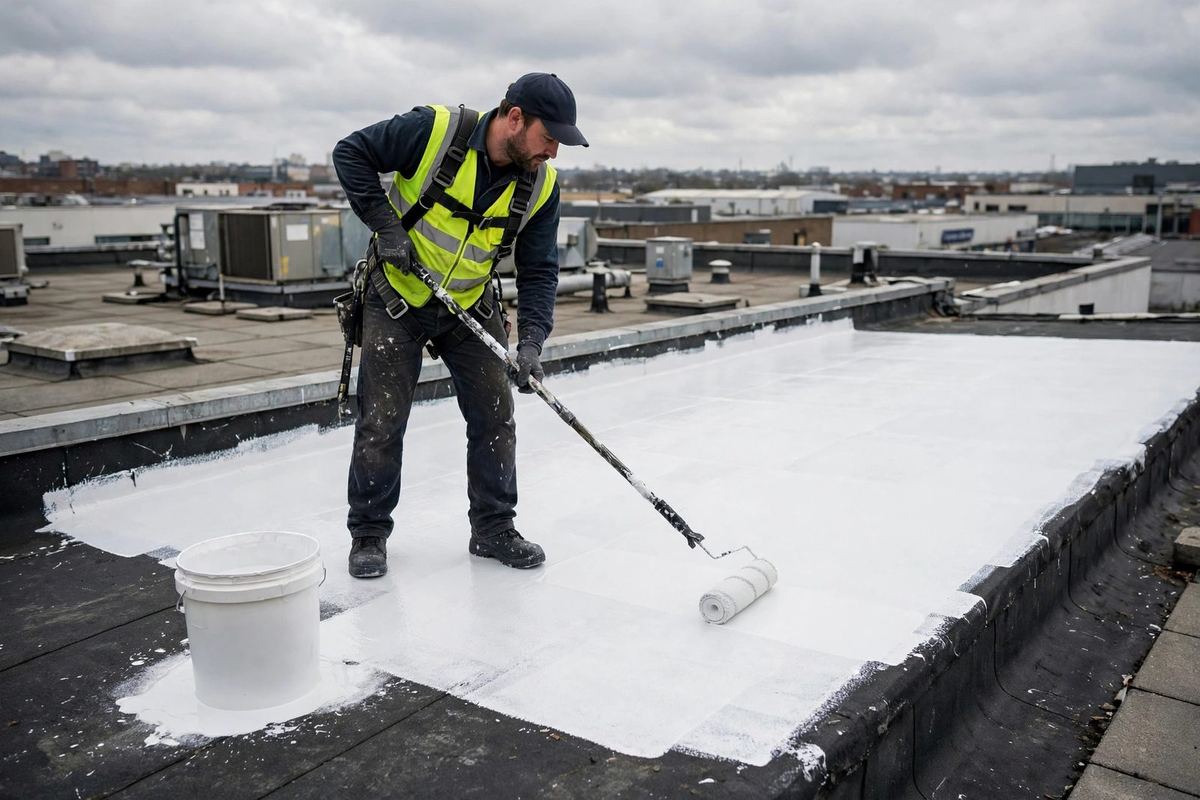
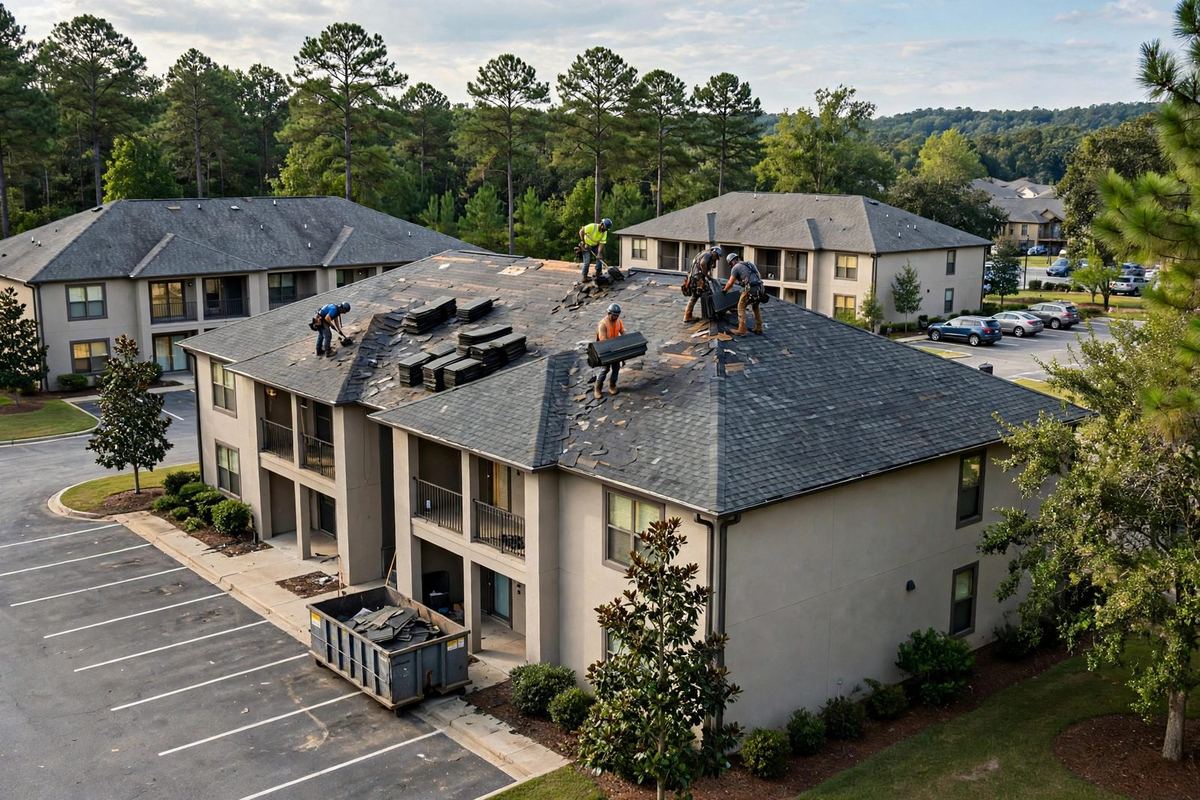
When a commercial roof truly reaches end of life, we present replacement systems side by side with lifecycle reasoning, and evaluate coating candidacy with equal honesty: coatings restore waterproofing over a sound, dry substrate, but no coating fixes wet insulation or a failed deck, and we verify substrate condition before recommending one. Either scope is priced from measured areas in a written proposal. Permit requirements vary by parcel and jurisdiction here — City of Marietta versus unincorporated Cobb — and we confirm them before quoting.