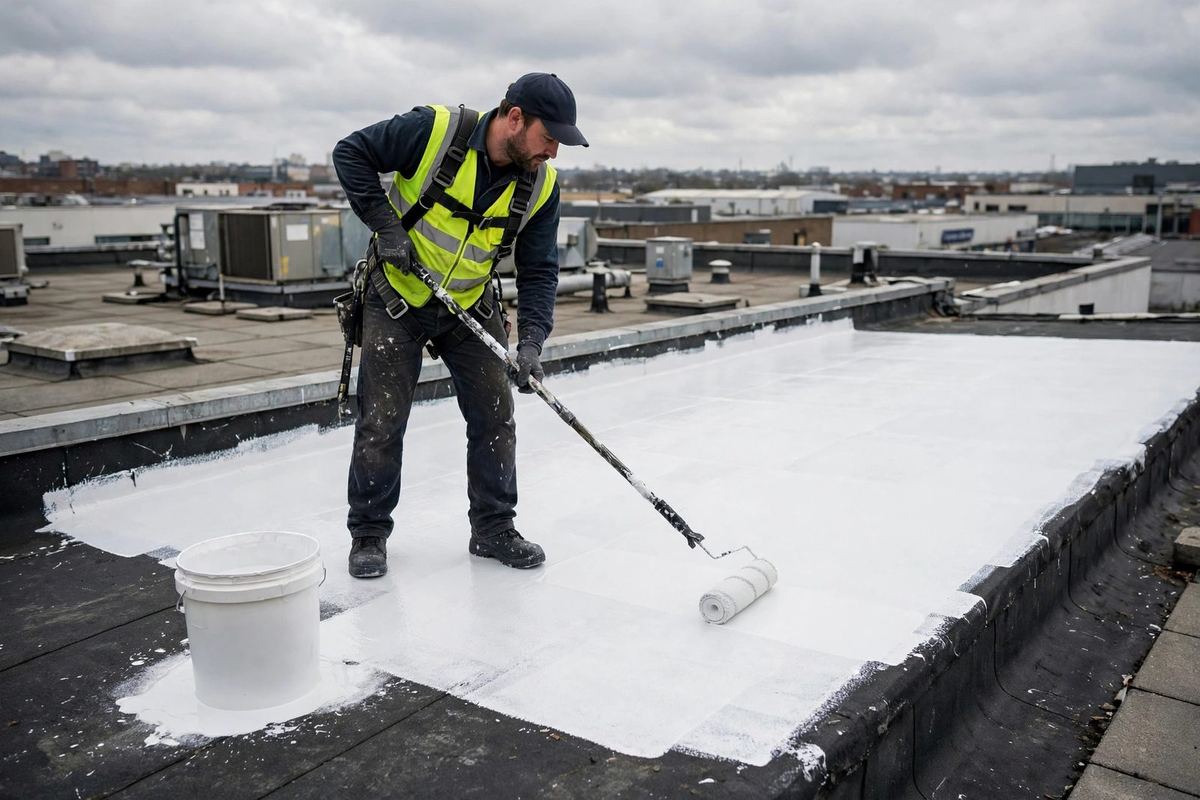
EPDM is a synthetic rubber membrane with one of the longest service records in low-slope roofing; properly installed EPDM roofs routinely serve for decades and aged material stays flexible and repairable. Its seams are taped or glued rather than welded, which places a premium on seam maintenance as the system ages, and its standard black surface absorbs heat — acceptable under ballast or on many industrial buildings, a consideration on sun-baked retail roofs. For owners who value longevity and repair simplicity, EPDM remains a serious option.
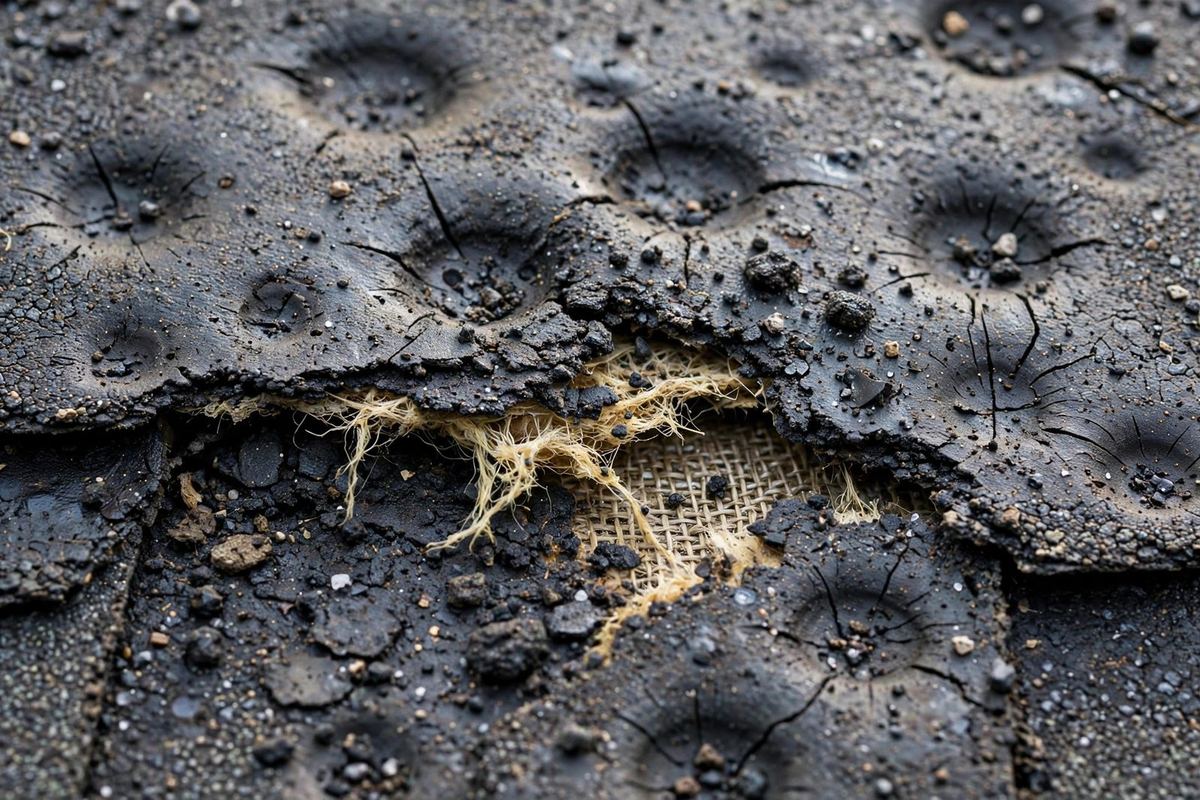
Modified bitumen builds a roof from multiple asphalt-based plies reinforced with polyester or fiberglass, finished with a granule-surfaced cap sheet. That redundancy is its appeal: a surface puncture rarely means a leak because another ply sits beneath, and the cap sheet tolerates the foot traffic of frequently serviced equipment better than single-ply membranes. It is an excellent fit for smaller commercial roofs, plaza decks and low-slope residential additions. Weight is higher than single-ply, so deck capacity is checked before specifying it.
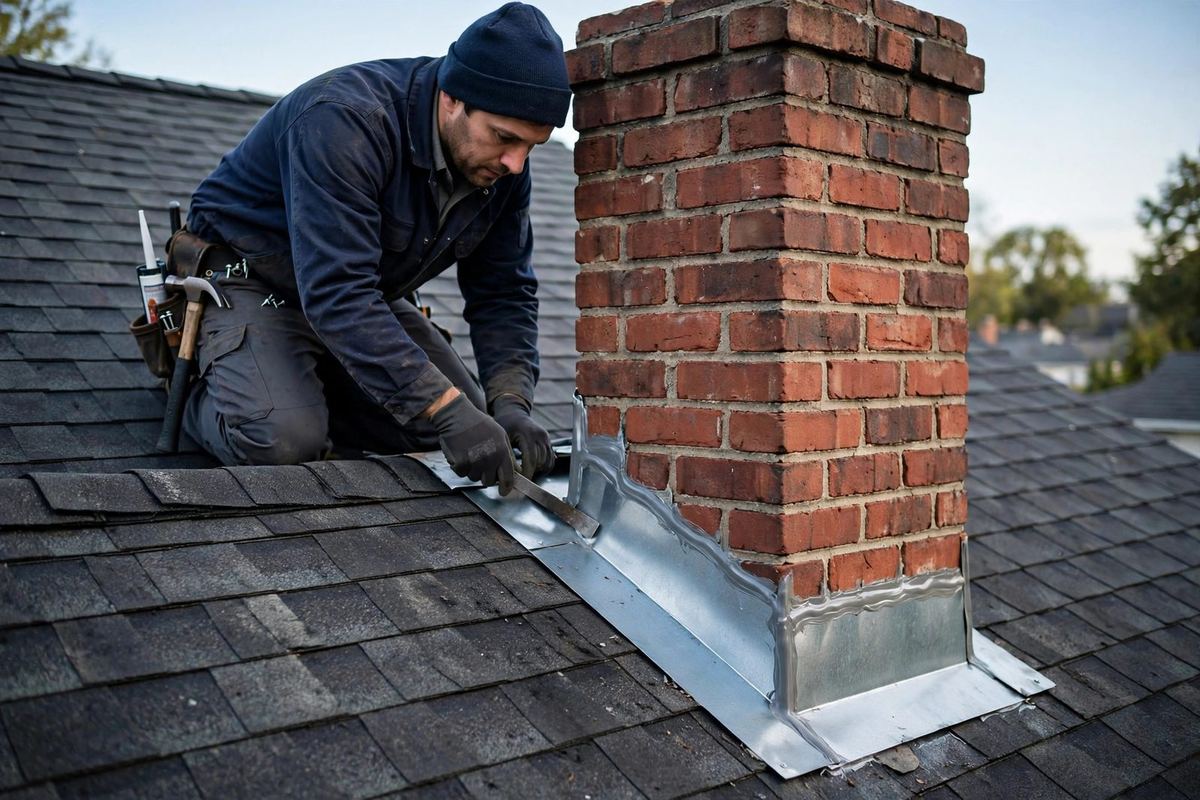
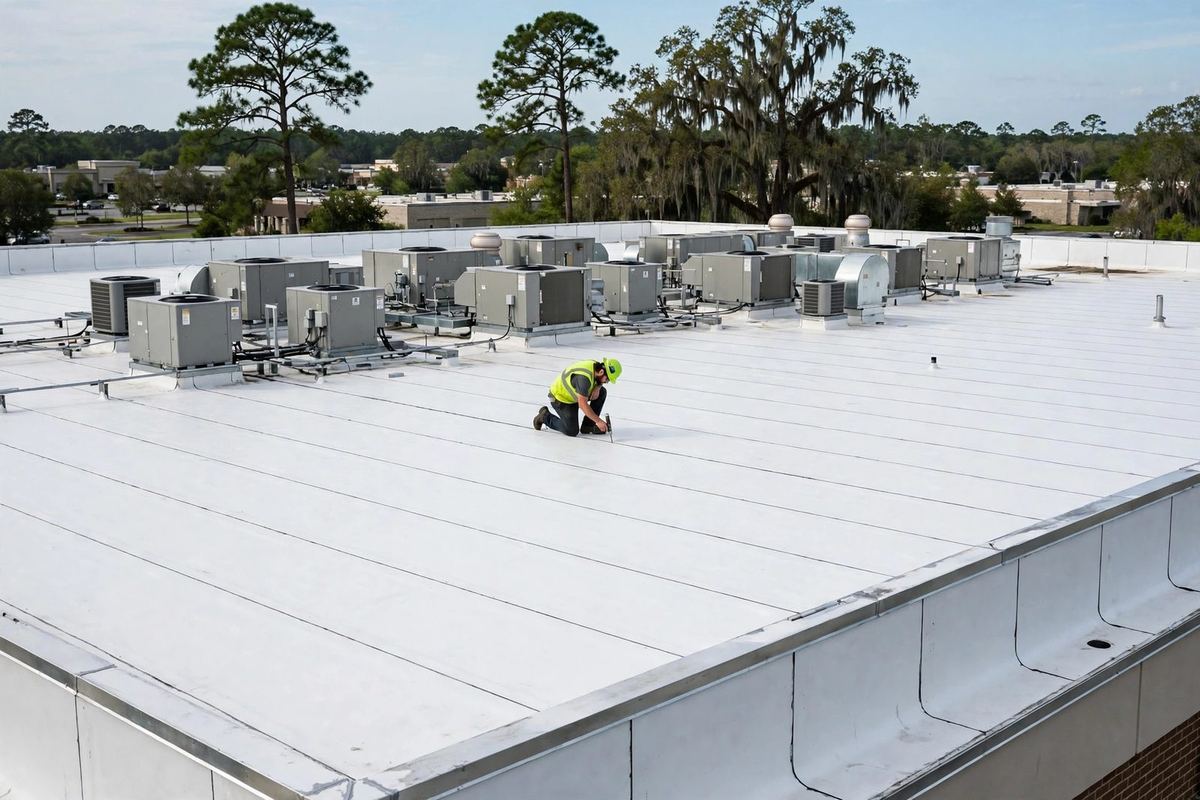
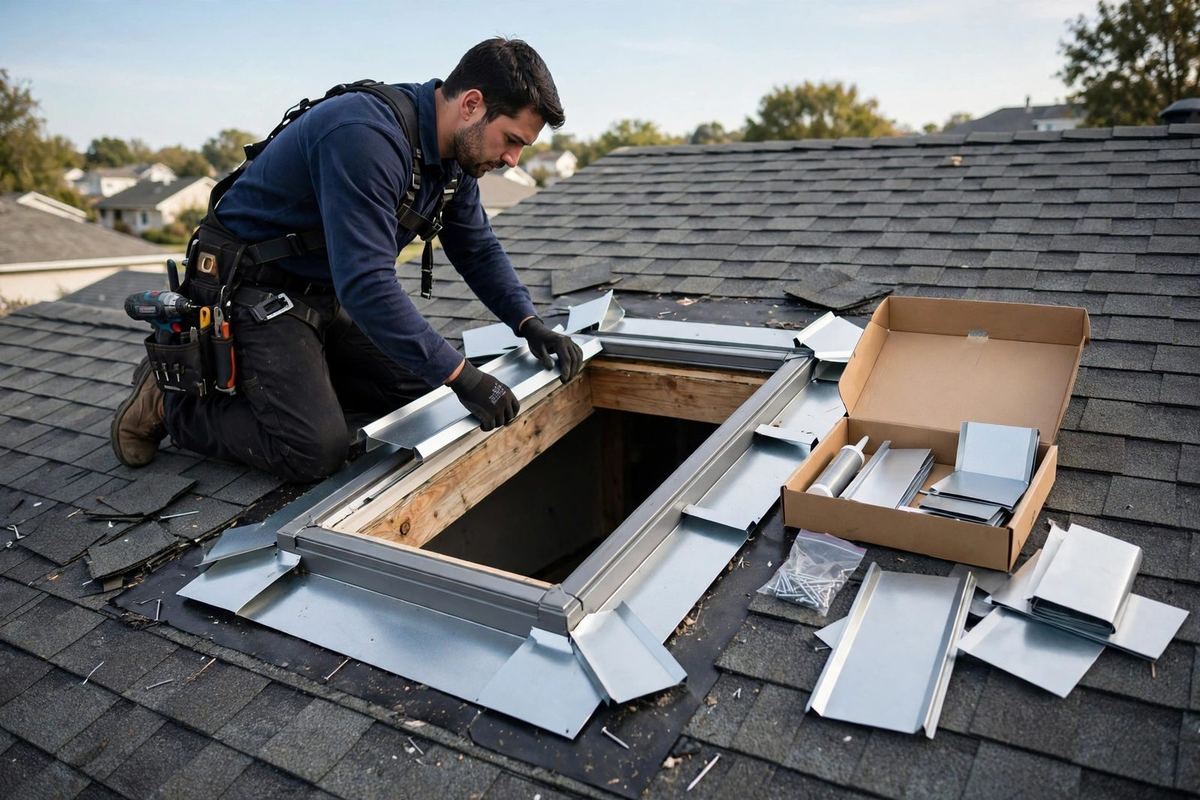
Whatever the membrane, flat roof failures concentrate in the same places: standing water that has not drained within about 48 hours, seams, and penetrations for vents, drains and HVAC curbs. Ponding adds structural weight, degrades membranes faster and turns pinholes into leaks, so we map ponds during assessments and address drainage — tapered insulation, drain additions or corrections — as part of the system. Leak tracing on flat roofs follows the same discipline as pitched work: the interior drip is evidence, not a location.